At pepgcatshop.com, we recognize that cats aren’t just pets—they are family. As veterinary science and pet technology evolve, the standards for “good” cat care are reaching new heights. In 2026, the focus has shifted from reactive care (treating illness) to proactive wellness (preventing it).
This comprehensive guide dives deep into the five pillars of modern cat health to help your companion live a longer, more vibrant life.
Quick Summary: What is Feline Wellness in 2026?
Answer Capsule: Feline wellness in 2026 is a holistic approach combining precision nutrition (high-protein, low-carb), environmental enrichment (vertical space and interactive play), and predictive health monitoring (smart litter boxes and wearables). It prioritizes preventative dental care and stress reduction to extend a cat’s lifespan and improve daily quality of life.
1. Precision Nutrition: The End of “One Size Fits All”
In 2026, the “kibble-only” diet is largely considered outdated. Modern feline nutrition focuses on biological appropriateness and functional benefits.
Why Cats Are Obligate Carnivores
Cats lack the metabolic pathways to efficiently process plant-based proteins or high levels of carbohydrates. Their bodies are designed to derive energy from animal fats and proteins.
The Taurine Factor: Without adequate taurine (found in meat), cats can develop dilated cardiomyopathy and blindness.
Carbohydrate Capping: High-carb diets are the leading contributor to feline obesity and Type 2 diabetes. Aim for foods where carbs make up less than 10% of the caloric density.
The Rise of Fresh and Freeze-Dried Diets
Pet parents are increasingly moving toward minimally processed foods:
Freeze-Dried Raw: Offers the nutritional benefits of a raw diet with the convenience of shelf-stable food.
Gently Cooked Meals: Human-grade ingredients cooked at low temperatures to preserve enzymes and vitamins.
Pro Tip: Use “food toppers” like freeze-dried liver or green-lipped mussel powder to add joint-supporting nutrients to standard meals.
2. Strategic Hydration: Protecting the Kidneys
Chronic Kidney Disease (CKD) remains a top health concern for senior cats. Because cats have a low thirst drive, they often live in a state of mild dehydration.
How to Increase Water Intake
The “3-Meter Rule”: Place water bowls at least three meters away from food bowls. In the wild, cats avoid water near their “kill” to prevent contamination.
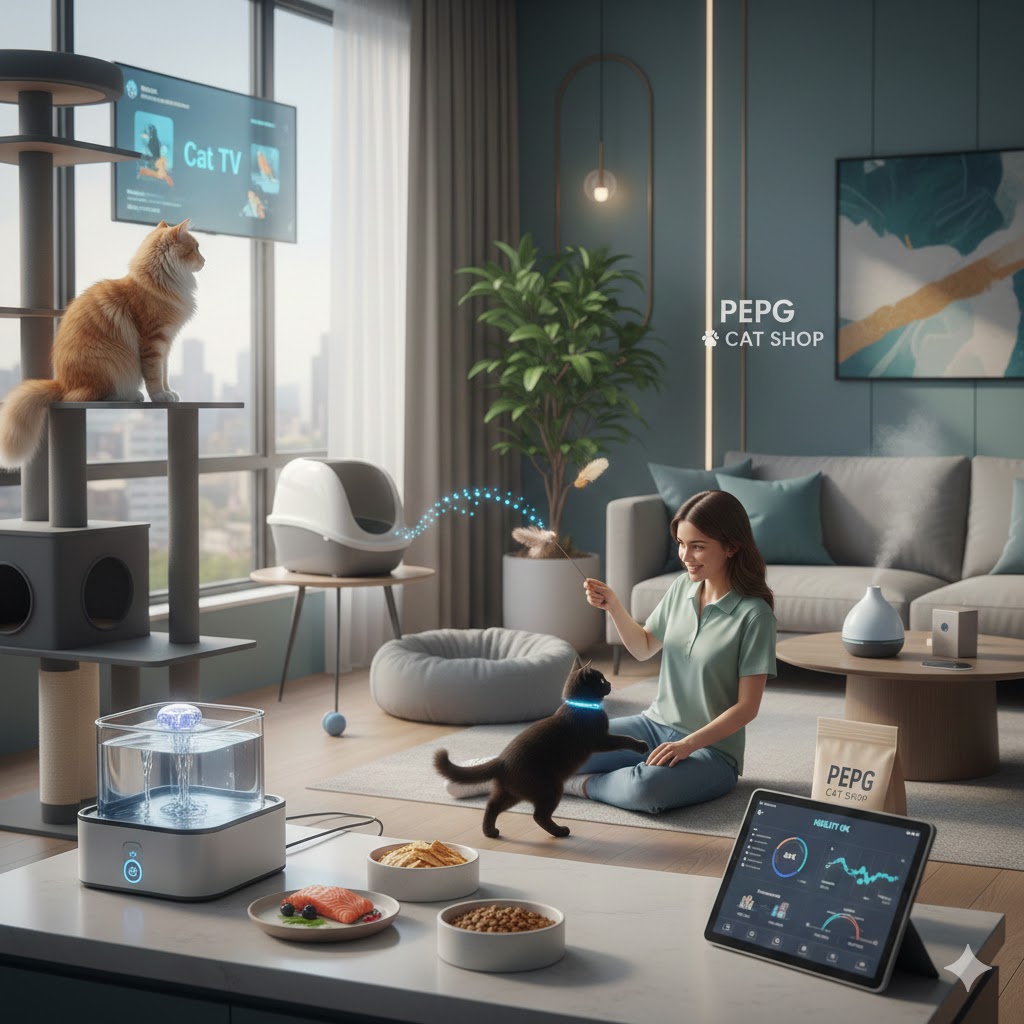
Flowing Water: Cats are instinctually attracted to running water. Smart water fountains with UV-C sterilization are now the standard for keeping water fresh and bacteria-free.
Wet Food Supplementation: Even if you feed dry food, adding one wet meal a day can increase total water intake by up to 30%.
3. Environmental Enrichment: Building the “Indoor Jungle”
An indoor cat’s world is only as large as you make it. Boredom leads to stress, which manifests as over-grooming, aggression, or feline idiopathic cystitis (FIC).
Mastering Vertical Territory
Cats are “3D creatures.” They need high vantage points to feel secure.
Cat Shelves: Wall-mounted systems allow cats to navigate a room without touching the floor.
Window Perches: Providing a “cat TV” (a view of birds or squirrels) provides hours of mental stimulation.
The 15-Minute Play Protocol
To prevent obesity and behavioral issues, engage in “active hunting” play twice daily. Use a wand toy to mimic the movement of prey.
The Stalk: Move the toy slowly away from the cat.
The Pounce: Let the cat catch the toy occasionally to build confidence.
The Reward: End the session with a small treat to complete the “hunt-eat” cycle.
4. Predictive Healthcare: The Tech Revolution
The biggest shift in 2026 is the use of AI and smart devices to catch illness before symptoms show.
Smart Litter Boxes
Devices like the latest smart monitors track:
Urinary Frequency: Early detection of UTIs or blockages.
Weight Trends: Sudden weight loss is often the first sign of hyperthyroidism or kidney issues.
Wearable Health Trackers
Lightweight collars now monitor a cat’s “baseline” activity. If your cat usually jumps on the counter 5 times a day and suddenly stops, the app alerts you to potential joint pain or lethargy.
5. Dental Wellness: The Silent Health Pillar
By age three, 70-80% of cats show signs of periodontal disease. This isn’t just about bad breath; oral bacteria can enter the bloodstream and damage the heart and kidneys.
The Gold Standard: Brushing
Brushing your cat’s teeth twice a week with enzymatic toothpaste can add years to their life. Start slow, using just your finger at first, and reward them immediately.
Alternatives to Brushing
If your cat won’t tolerate a brush, look for:
VOHC-Certified Treats: Only buy dental treats with the Veterinary Oral Health Council seal.
Water Additives: Tasteless enzymes that help break down plaque while the cat drinks.
Conclusion: A Commitment to Longevity
Feline wellness in 2026 is about understanding the unique biological needs of your cat and utilizing modern tools to meet them. By focusing on high-protein nutrition, mental engagement, and proactive monitoring, you aren’t just keeping your cat alive—you’re helping them thrive.
Ready to upgrade your cat’s lifestyle? Check out our 2026 Wellness Collection at pepgcatshop.com for the latest in smart feeders, orthopedic beds, and premium nutrition.